The Tradition of the Camel Sacrifice
The sacred tradition and deep spiritual symbolism of sacrificing a camel during the annual Buiba Gamo.
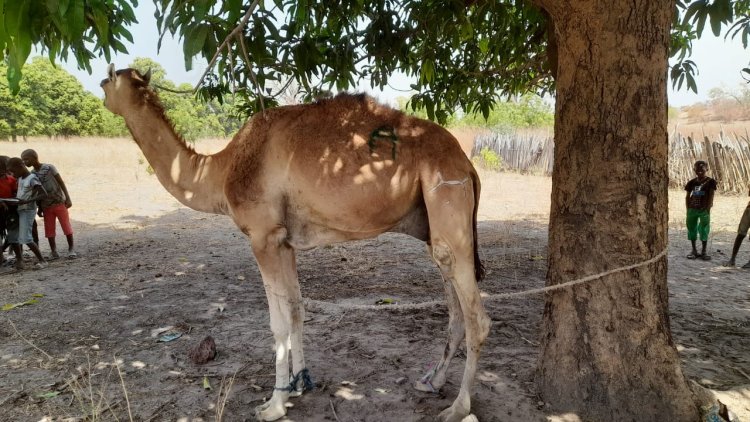
The Sacred Sacrifice of the Camel
The most prominent tradition involving the camel of Sheikh Jassong Touray is its central role in concluding the annual Gamo (Islamic gathering) at the Buiba Caliphate.
-
The Ultimate Act of Charity: While hosting tens of thousands of disciples (talibes) and visitors from across West Africa, the highlight of the communal food preparation is the slaughter and sacrifice of a camel.
-
Sealing the Blessings: The distribution of the camel meat to all attendees, families, and the needy serves as the final, grand act of charity that seals the annual gathering. It represents the ultimate manifestation of the Sheikh's lifelong mission: feeding the hungry, looking after the vulnerable, and ensuring that no visitor leaves empty-handed.
Symbolism in the Buiba Legacy
Beyond the annual feast, the camel is heavily associated with the very nature of Sheikh Jassong Touray's spiritual walk. Known for being a barefooted marabout who chose a life of strict asceticism and simplicity over worldly wealth, the camel stands as a profound symbol of endurance, patient traveling through long spiritual journeys (much like his own 40-year quest for knowledge), and ultimate devotion to community service.
Today, the Sheikh Jassong Touray Foundation continues to honor this sacred practice, ensuring that the tradition of sacrificing a camel remains a main pillar of hospitality and unity during the annual gatherings presided over by his successor, Khalifa General Sheikh Sadibou Touray.
What's Your Reaction?